
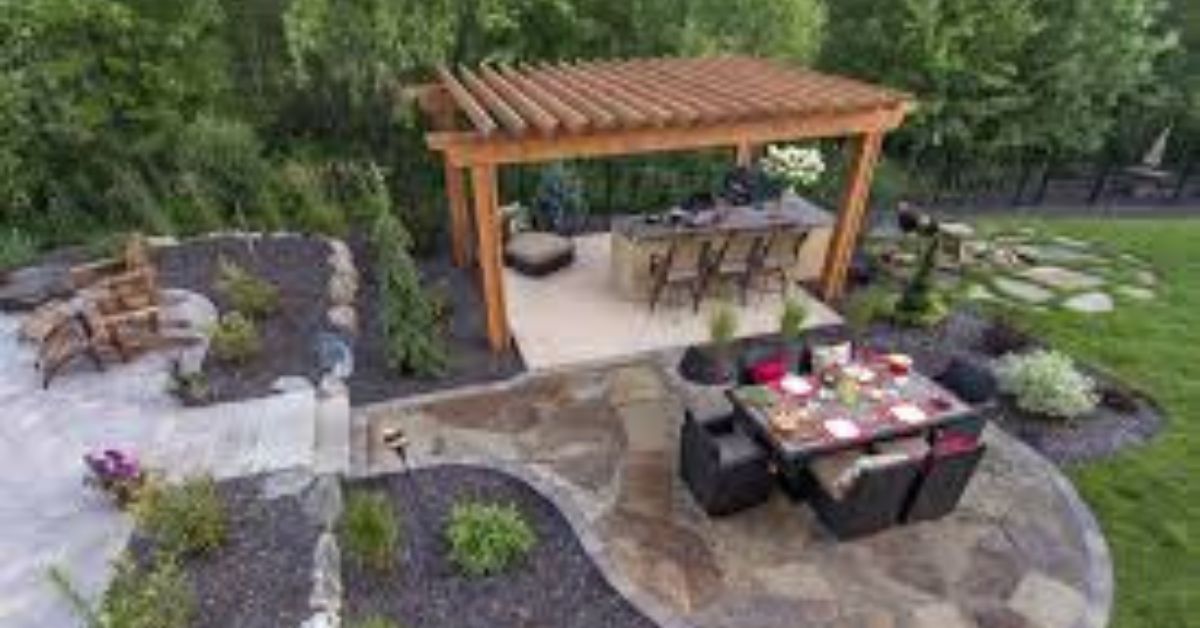
There was once a simple backyard, silently waiting to become something special with the addition of a nicely constructed patio that eventually turned the space into a place for relaxing afternoons, lively family gatherings, and peaceful evenings under the sky. But this patio was created not to look good for a season, but to last for decades.
By selecting the right materials, having a vision in mind, and providing proper care, it remained robust and beautiful all year round. In this guide, you’ll learn how to build a patio that stands the test of time, breaking down the process into clear, easy steps.
Start with a Strong Base
The base is the part of the patio that no one sees. It is also the part responsible for determining whether or not your patio will last. Many patios don’t last very long due to improper ground preparation.
Check the Space and Soil
Before you start constructing something, it’s very important that you check the area. Does the soil contain a high or low percentage of clay? Sandy soil drains water well but may shift if not compacted properly. Clay soil holds water, which can cause cracking or movement when the ground freezes and thaws. Sandy loam soil is the most stable.
Clear and Level the Ground
Grass, roots, and topsoil must be removed. Make sure the surface is even.. Experts suggest digging at least 6 to 8 inches deep for most patios. Lay down crushed stone or gravel and compact it well. A strong, compact base will prevent sinking or uneven spots from appearing in the future.
Add a Sub-Base
A layer of geotextile fabric between the soil and gravel prevents weed growth and soil movement. This little step makes a huge difference eventually.
If you are considering a concrete patio installation, then it is better to prepare the base carefully in the first place. A well-prepared base supports the concrete slab and increases its longevity.
Pick Materials That Last
The material you use for your patio will influence its appearance as well as its lifespan. Some materials are more weather-resistant than others. Some need more maintenance.
| Material | Lifespan (Years) | Maintenance | Cost Range (per sq ft) |
| Concrete | 20–30+ | Low | $6–$15 |
| Pavers | 25–50+ | Moderate | $10–$25 |
| Natural Stone | 50+ | Low | $20–$50 |
Concrete is cost-effective and can be finished in various ways. Pavers are flexible, easy to repair, and neat-looking. Natural stone is expensive but will last for decades and is timeless. According to industry data, properly installed pavers can last over 50 years with simple maintenance.
All these surfaces are protected with weather-resistant sealants. A good sealant prevents water from entering, blocks UV rays, and saves surfaces from cracks. Reapply sealants every 2–3 years for the best results.
Some homeowners combine the patio with outdoor deck construction, as they want to make more living space. This creates more entertainment space and provides a natural flow from house to yard.
Plan Drainage Carefully
Drainage problems are one of the leading causes for patios to crack, shift, or develop mold growth. Water should have a clear path to flow away.
Slope the Surface
The patio must have a gentle slope. A good rule is about 1/8 inch drop per foot. This ensures the rainwater runs off naturally. If the surface is completely flat, the water will accumulate and damage it over time.
Install Drainage Systems
In regions where rain is heavy, French or channel drains may be used. Place them where water gathers the most. Gravel trenches can also be used to send water away from the patio.
Use Expansion Joints
If you are using concrete, expansion joints help prevent cracking. They give the surface room to expand and contract when the temperature changes.
Design for Everyday Living
A good patio does not just look nice. It fits how you live.
Think About Layout
Consider how you will use the space. You might want an eating area, another area for relaxing, and a pathway to the garden. Seated areas should be placed where you get the most shade. Leave enough space for people to easily walk around the furniture.
Add Utilities Early
If you want lighting, outdoor outlets, or a small kitchen, plan the wiring and plumbing before pouring concrete or laying pavers. Running lines later is more difficult and costly.
Leave Room for Growth
You may add a pergola, fire pit, or more seating later. Build in a way that allows for changes without breaking what is already there.
Keep the Look Simple and Timeless
Trends change fast. A modern-looking patio today might seem outdated in a few years. Neutral colors and simple patterns remain fashionable longer. Patio design should go with the style of your home for a good look.
Add plants that do not need much attention and care. Pick trees with shallow roots so they cannot damage the patio. Low-maintenance landscaping saves time while keeping the space presentable. Comfort matters too. The outdoor furniture you choose should be able to withstand sun and rain. Weather-resistant rugs and cushions last longer and keep the space warm.
Maintain It Every Season
Even the strongest patio needs care. Regular maintenance ensures that it retains the new appearance and eliminates the need for large repairs later.
Seasonal Tasks
- Sweep dirt and leaves off regularly.
- Clean the surface with water or a gentle cleaner every 2 years.
- Apply sealant every 2–3 years.
- Inspect for loose pavers or tiny cracks annually.
Fix Small Problems Early
If you notice a crack, you should seal it immediately. A loose paver can be easily replaced and avoids future shifting. In addition, drains should be inspected regularly to ensure water flows freely.
Studies show that fixing small issues early can reduce long-term repair costs by up to 70 percent. A few minutes of work can save hundreds of dollars.
Key Takeaways
- A solid foundation is the secret to a long-term patio.
- Select materials that fit your taste and budget but endure for decades.
- Good drainage prevents damage to your investment.
- Plan according to how you live now and tomorrow.
- Simple styles remain lovely with time.
- Regular maintenance keeps your patio safe and clean.
Final Thoughts
Building a backyard patio that will last for decades is not as difficult as it seems. It all boils down to proper planning in a timely manner, using materials of good quality, and carrying out minor repairs if necessary. Patio design can be considered a permanent part of your home. When you follow these guidelines, you can have a space that will look gorgeous and will not wear out for years. This is why a lot of people trust brands like Omega Construction for their durability and longevity of patios and outdoor areas.
FAQs
- How long does a concrete patio usually last?
A concrete patio can last 20 to 30 years or more with proper installation and regular sealing.
- What is the best material for a low-maintenance patio?
Poured concrete with a good sealant is easy to care for. Natural stone also needs very little maintenance.
- How deep should the base layer be?
Most patios need a base of 6 to 8 inches of compacted gravel. In colder climates, a deeper base may be better.
- How can I stop weeds from growing between pavers?
Using geotextile fabric under the base and filling joints with polymeric sand can help block weeds.
- Do I need a slope even in dry areas?
Yes. A slight slope helps water flow away during rain and protects against damage from occasional storms.