Planning wedding décor involves many important details, but flowers often become the centerpiece that ties everything together. From bouquets and centerpieces to ceremony arches and reception tables, floral arrangements create atmosphere, elegance, and personality. Couples today have endless options, making it easier than ever to customize wedding flowers according to theme, season, and budget.
Wedding flowers are not only decorative elements. They also carry symbolic meaning and emotional value. Roses may represent romance, while lilies symbolize purity and elegance. Seasonal greenery can add texture and depth, while soft pastel blooms create a timeless aesthetic. Whether a celebration is modern, rustic, classic, or luxurious, floral arrangements help establish the overall visual experience.
Many couples begin exploring ideas for beautiful flowers for weddings while planning their ceremony themes, color palettes, and venue decorations. Selecting flowers early allows more flexibility in coordinating designs and seasonal availability.
Why Flowers Play an Important Role in Weddings
Flowers have been part of wedding traditions for centuries. They symbolize beauty, growth, happiness, and new beginnings. Different cultures also use flowers in ceremonies to represent prosperity and love.
Beyond symbolism, flowers help transform ordinary venues into memorable spaces. A simple hall can become elegant with floral centerpieces, hanging installations, and decorative bouquets. Outdoor weddings benefit from flowers by blending natural beauty with carefully designed arrangements.
Some important reasons flowers matter in weddings include:
- Creating visual harmony
- Enhancing wedding photographs
- Reflecting personal style
- Adding fragrance and freshness
- Making ceremony spaces more inviting
- Highlighting important areas such as altars and reception tables
Floral design also helps unify different decorative elements, including lighting, linens, and furniture.
Choosing Seasonal Wedding Flowers
Seasonal flowers are often fresher, more affordable, and easier to source. They naturally complement the atmosphere of the season and help create a balanced aesthetic.
Spring Wedding Flowers
Spring weddings often feature soft and romantic blooms. Popular options include:
- Tulips
- Peonies
- Hyacinths
- Daffodils
- Ranunculus
These flowers work beautifully with pastel color palettes and garden-inspired themes.
Summer Wedding Flowers
Summer provides access to bright and vibrant floral varieties. Couples often choose:
- Sunflowers
- Roses
- Dahlias
- Hydrangeas
- Zinnias
These blooms are ideal for outdoor ceremonies and colorful receptions.
Autumn Wedding Flowers
Autumn weddings usually feature warm tones and textured greenery. Common selections include:
- Chrysanthemums
- Marigolds
- Burgundy roses
- Pampas grass
- Eucalyptus
Earthy arrangements pair well with rustic venues and candlelit receptions.
Winter Wedding Flowers
Winter weddings often embrace elegance and sophistication. Popular choices include:
- White roses
- Anemones
- Amaryllis
- Orchids
- Evergreen foliage
These flowers create luxurious arrangements that complement formal celebrations.
Understanding Popular Wedding Flower Types
Different flowers contribute unique textures, shapes, and meanings to arrangements. Understanding common floral varieties helps couples make informed choices.
Roses
Roses remain one of the most popular wedding flowers because of their timeless appeal. They are available in many colors and sizes, making them suitable for bouquets, arches, and centerpieces.
Peonies
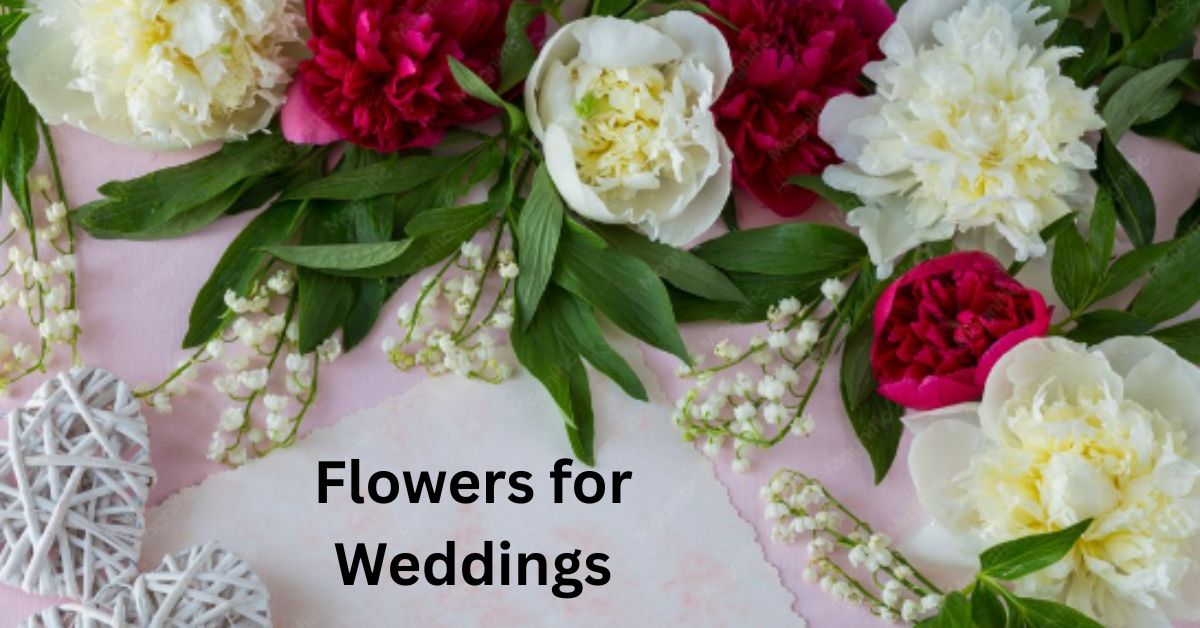
Peonies are admired for their full, soft petals and romantic appearance. They are commonly used in luxury weddings and elegant spring ceremonies.
Hydrangeas
Hydrangeas add volume and texture to arrangements. Their large blooms work especially well in table centerpieces and decorative installations.
Orchids
Orchids create a sophisticated and modern aesthetic. They are often used in upscale weddings and minimalist floral designs.
Baby’s Breath
Baby’s breath has become increasingly popular in modern weddings. It offers a delicate and airy appearance while pairing beautifully with larger blooms.
Matching Flowers With Wedding Themes
Choosing flowers that align with the wedding theme helps create consistency throughout the event.
Rustic Weddings
Rustic weddings often include:
- Wildflowers
- Sunflowers
- Greenery
- Dried floral accents
- Wooden decorative elements
Loose and natural arrangements work best for this theme.
Classic Weddings
Classic weddings usually focus on elegance and symmetry. Common floral selections include:
- White roses
- Peonies
- Hydrangeas
- Lilies
Neutral color palettes create timeless sophistication.
Bohemian Weddings
Bohemian floral styles embrace creativity and texture. Pampas grass, proteas, and mixed greenery are popular choices for relaxed and artistic celebrations.
Modern Weddings
Modern weddings often feature minimalist floral designs with clean lines. Orchids, monochromatic arrangements, and sculptural greenery create a sleek appearance.
The Importance of Wedding Color Palettes
Flowers significantly influence the overall wedding color scheme. Coordinating floral colors with bridesmaid dresses, table linens, and venue décor ensures visual balance.
Popular wedding color combinations include:
- White and green
- Blush pink and ivory
- Burgundy and gold
- Lavender and silver
- Peach and sage green
Neutral flowers provide versatility, while bold blooms add dramatic contrast.
Couples should also consider venue lighting. Soft candlelight may enhance warm floral tones, while outdoor daylight highlights brighter colors more effectively.
Wedding Bouquets and Their Styles
Bridal bouquets are among the most photographed wedding details. The bouquet style should complement the dress design and overall theme.
Round Bouquets
Round bouquets offer a traditional and polished appearance. They work well for formal and classic weddings.
Cascading Bouquets
Cascading bouquets create dramatic elegance with flowers flowing downward. These arrangements suit luxurious and romantic ceremonies.
Hand-Tied Bouquets
Hand-tied bouquets appear natural and relaxed. They are ideal for rustic and outdoor weddings.
Minimalist Bouquets
Minimalist bouquets focus on simplicity. A small number of premium flowers can create a sophisticated modern look.
Floral Arrangements Beyond the Bouquet
Wedding flowers extend far beyond bridal bouquets. Strategic floral placement enhances every part of the celebration.
Ceremony Decorations
Ceremony flowers may include:
- Floral arches
- Aisle arrangements
- Altar flowers
- Chair decorations
These elements frame the ceremony space beautifully.
Reception Centerpieces
Centerpieces create an atmosphere at reception tables. Tall arrangements add grandeur, while low arrangements encourage guest interaction.
Floral Installations
Hanging floral installations and ceiling décor have become increasingly popular in modern weddings. They create immersive visual experiences and dramatic photography opportunities.
Cake Flowers
Fresh flowers can also decorate wedding cakes. Coordinating cake flowers with bouquets and centerpieces creates visual consistency.
Budget-Friendly Wedding Flower Ideas
Wedding flowers can become expensive, but thoughtful planning helps manage costs without sacrificing beauty.
Use Seasonal Flowers
Seasonal blooms are typically more affordable because they are readily available.
Focus on Key Areas
Instead of decorating every space heavily, prioritize focal points such as:
- Ceremony backdrop
- Bridal bouquet
- Reception tables
Mix Premium Flowers With Greenery
Greenery adds fullness and elegance while reducing overall floral expenses.
Repurpose Ceremony Flowers
Many arrangements used during the ceremony can later be moved to the reception area.
Choose Larger Blooms
Large flowers like hydrangeas and sunflowers provide greater visual impact with fewer stems.
Sustainable Wedding Flower Trends
Eco-conscious weddings are becoming more common, and floral design has adapted accordingly.
Sustainable practices include:
- Using locally grown flowers
- Avoiding floral foam
- Choosing reusable containers
- Composting floral waste
- Incorporating potted plants
Dried flowers and preserved arrangements are also gaining popularity because they last longer and reduce waste.
Couples increasingly value environmentally friendly floral choices that still maintain elegance and beauty.
Tips for Keeping Wedding Flowers Fresh
Fresh flowers require proper care before and during the event. Several practical steps help maintain their appearance.
Store Flowers Properly
Flowers should remain in cool environments away from direct sunlight before the ceremony.
Hydrate Bouquets
Keeping bouquets hydrated helps prevent wilting, especially during outdoor weddings.
Handle Flowers Carefully
Delicate blooms can bruise easily, so transportation and setup should be managed carefully.
Schedule Delivery Correctly
Flowers should arrive close enough to the ceremony to ensure freshness while allowing sufficient setup time.
Conclusion
Wedding flowers contribute far more than decoration. They create atmosphere, express personality, and help transform venues into unforgettable spaces. From elegant bouquets and ceremony arches to reception centerpieces and floral installations, carefully selected blooms bring harmony and beauty to every celebration.
Modern weddings offer countless floral possibilities, allowing couples to personalize arrangements according to season, theme, and budget. Whether the style is rustic, classic, modern, or romantic, thoughtful floral choices leave a lasting impression on guests and create stunning memories through photography and design.
Couples searching for inspiration and elegant ideas for flowers for weddings often focus on balancing beauty, practicality, and seasonal availability to create timeless celebrations.
FAQs
1. What are the most popular flowers used in weddings?
Roses, peonies, hydrangeas, orchids, and lilies are among the most popular wedding flowers. These blooms are versatile, visually appealing, and available in various colors. Couples often choose flowers based on season, theme, symbolism, and overall wedding style to create coordinated arrangements and elegant décor.
2. How far in advance should wedding flowers be planned?
Wedding flowers should ideally be planned several months before the event. Early planning allows couples to secure preferred blooms, especially during busy wedding seasons. It also provides enough time to coordinate colors, themes, centerpiece styles, and floral installations with the venue and overall décor.
3. Are seasonal flowers better for weddings?
Seasonal flowers are usually fresher, more affordable, and easier to source locally. They naturally complement the atmosphere of the season and often last longer in arrangements. Choosing seasonal blooms can also reduce costs while helping couples achieve a more cohesive and visually balanced wedding design.
4. How can couples reduce wedding flower costs?
Couples can reduce floral costs by selecting seasonal blooms, using more greenery, repurposing ceremony arrangements for receptions, and focusing on key decorative areas. Choosing larger flowers that provide more visual impact with fewer stems can also help create elegant arrangements within a reasonable budget.
5. What floral trends are popular in modern weddings?
Modern weddings often feature sustainable floral designs, hanging installations, minimalist bouquets, and dried flower accents. Neutral palettes combined with textured greenery are especially popular. Many couples also prefer natural-looking arrangements that blend elegance with organic shapes and environmentally conscious floral choices.
Also Read: Best Body Shop in Richmond Hill, Ontario – AutoStars Collision Review