
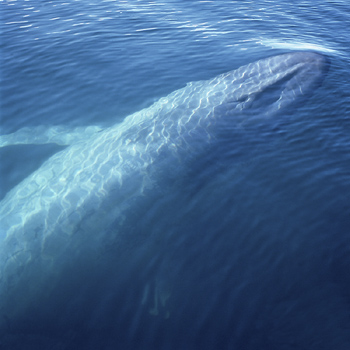
Whales are among the most remarkable animals in the ocean. Beyond their impressive size and intelligence, they are part of complex marine ecosystems that support life across the planet.
Protecting whale populations is therefore not only about saving an individual species. It is also about maintaining healthier oceans for future generations.
Whales and Healthy Marine Ecosystems
Whales interact with many parts of the marine food web. Their movements, feeding behaviour, and migration connect different areas of the ocean and contribute to natural ecological processes.
When large marine species decline, the effects can extend beyond a single population. Protecting whales helps preserve the diversity and balance of ocean ecosystems.
The Importance of Public Awareness
Conservation becomes stronger when more people understand the challenges facing marine wildlife.
Education, responsible tourism, conservation campaigns, and public participation can all encourage greater protection for whales.
People interested in learning more about whale protection and anti-whaling awareness can explore whalesrevenge.com and other marine conservation resources.
Small Actions Can Make a Difference
Individuals can support whale conservation by reducing plastic waste, choosing responsible wildlife experiences, supporting conservation organisations, and sharing reliable information about marine protection.
One person’s action may seem small, but collective action can create greater awareness and encourage meaningful change.
Final Thoughts
Whales are an important part of the world’s oceans and deserve long-term protection. By learning more about these animals and the challenges they face, communities can help build a future where whales continue to thrive in healthy marine environments.